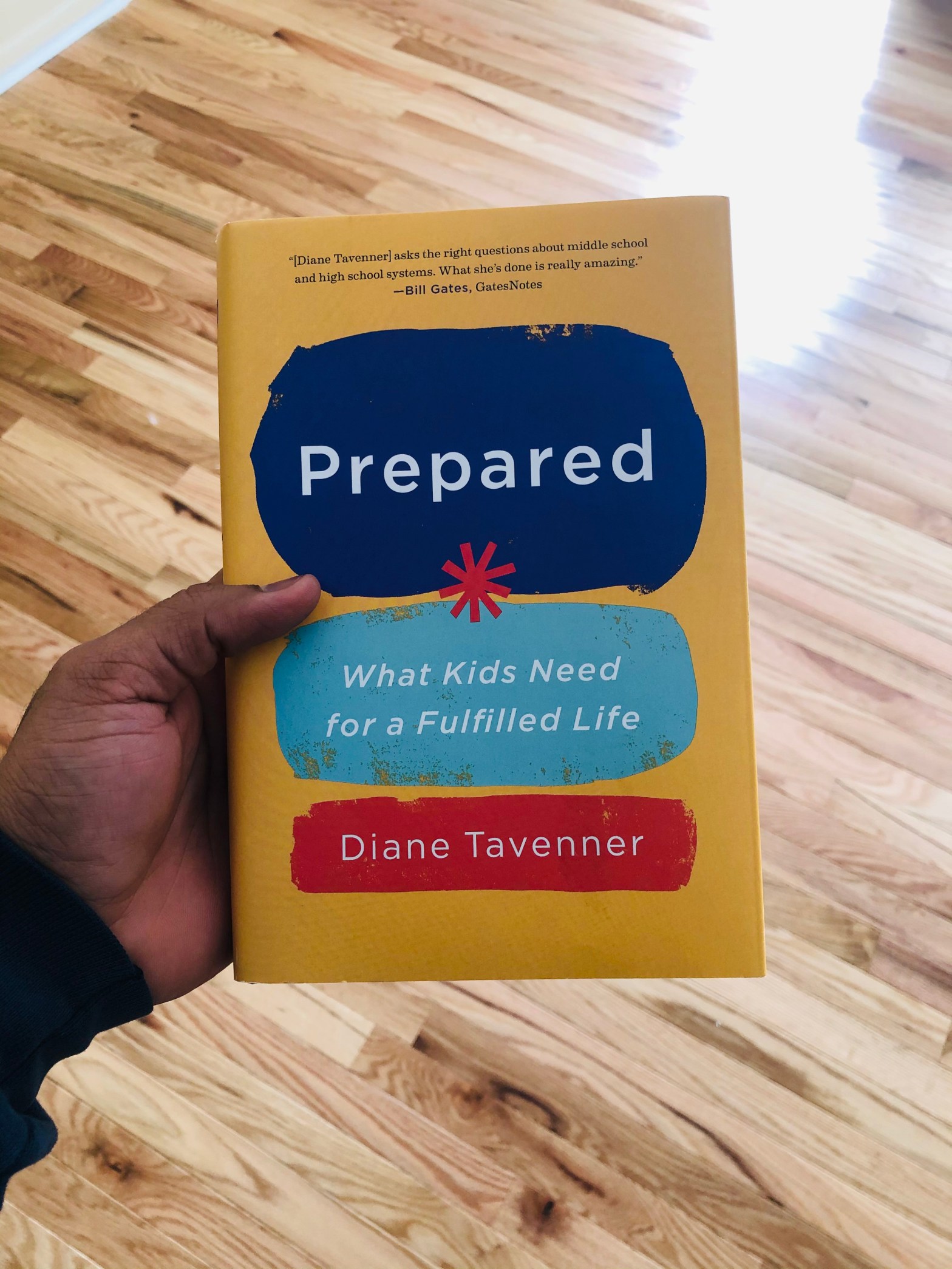
This was the 2nd book I read in 2021.
The inspiration of reading this book came from Mr. Bill Gates. I went through his Winter read recommendations and found “Prepared” to be the kind of book that I wanted to read. I was hooked to read that it tells a story of a school that the author started from nothing and now is being appreciated by some of the biggest minds on this planet. I needed to give it a read, to learn a few things for being a good parent, which I will be a few years down the line.
The best thing about the book
Learning how to learn. Throughout the book, the author has talked about how her school – Summit Public Schools is different than most other schools in the US. While explaining all this, the most amazing thing that I thought the author told the readers was that her schools don’t go through the syllabus and complete everything needed for students to get into colleges; It was the habit of “Learning how to learn”.
To mention things in Layman’s terms – she mentioned that Summit Public Schools focus on teaching how to fish instead of helping their students catch fishes. It seems so easy, but was really difficult to implement. I loved how the author went through the hardships when the schools were new and not a lot of people knew about those – still there were a few courageous parents, who took a chance and believed Ms. Tavenner and her vision & I must say it has paid off well.
Why to read this book?
If you have a high kid in high school and is prepping for college education, then (IMO) it is the best book for you as a parent to prepare your kids for college.
The best part about the book is that the author has given personal experiences and examples with students. I was so amazed to read about so many cool things that the school kids did. The book introduces us to so many new concepts like THE DECISION GRID.
The decision grid talks about how to arrive at a decision within teams. In the decision grid, each individual in the team is given a role and everyone must adhere and respect the responsibility of their assigned role.
The author explains how to use the decision grid with simple examples like letting kids choose where to go for the next trip. This not only help kids take their own decisions, but also come up with reasonings to back their decisions. While doing so, the author very carefully mentions that no matter how compelling the arguments are, it is the decision makers responsibility to take the final decision and the team has to agree with that. I think, this is an innovative technique to reduce the team conflicts and work towards one common goal as a one Team – the Ford motto that I live by every single day.
What’s best for our kids
This question is put forth by the author on numerous occasions throughout the book. The author, her fellow colleagues at Summit Public Schools, and many more have asked the same question to themselves and everyone “What’s best for our kids?”.
They asked this question when they didn’t know which direction the team was going. They asked this question when they didn’t know what to make of the present and future and they asked this question whenever there were conflicts in the team regarding any decision.
This question has prevailed them take so many critical decisions about Summit Public School that it is hard to imagine those schools without it.
This was the last takeaway for me from this book and I would like to leave it at that!
See you at the next book review!
 stochasticity